




Canon Medical On Demand provides a premier microlearning experience to expand, reinforce, or supplement your training needs.
Join a live webinar or take a short course on trending topics in radiology.

Canon Medical On Demand provides a premier microlearning experience to expand, reinforce, or supplement your training needs.
Join a live webinar or take a short course on trending topics in radiology.
Canon Medical On Demand
Canon Medical On Demand helps you keep pace with the clinical, technical, and practice-related developments in medical imaging through live, accredited, complimentary educational webinars.
Participants can attend the live accredited webinar or take the associated accredited course.
Past Webinars
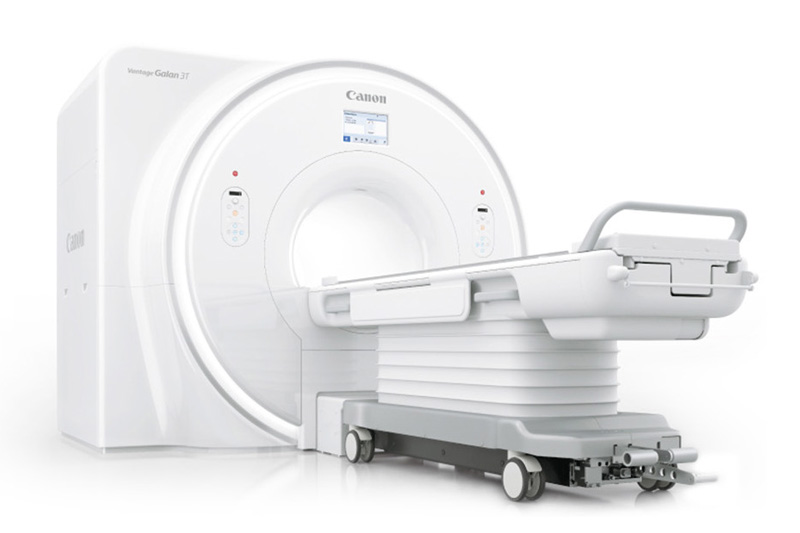
Artificial Intelligence in Magnetic Resonance Imaging—Beliefs, Benefits, and Beyond
Thank you for joining us for the Canon Medical On Demand webinar, "Artificial Intelligence in Magnetic Resonance Imaging—Beliefs, Benefits, and Beyond."
If you would like to submit a question to our presenter, Tim Joseph, please email us at mylearningadmin@us.medical.canon.
Courses
Filter by:
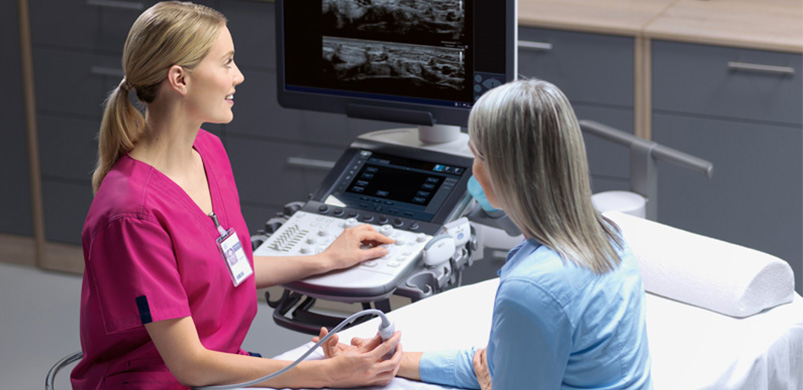
A Sonographer’s Introduction to MSK Upper Extremities
ULM1565 | Credit Type: CME | Credits: 1 | Cost: $20.00
Musculoskeletal (MSK) Ultrasound has witnessed a swift evolution across radiology, rheumatology, and physical therapy in both hospital and private practice settings. This webinar aims to equip seasoned, and aspiring sonographers, with the foundational skills required to venture into the realm of MSK ultrasound, with a concentrated spotlight on the most commonly evaluated anatomy of the upper extremity.
Imaging Techniques in Interventional Radiology
VLM3065 | Credit Type: CE | Credits: 1 | Cost: $20.00
In this course, we will discuss select imaging techniques on Canon Medical’s Alphenix vascular system and their clinical applications during interventional radiologic procedures. These angiographic imaging strategies can contribute to advanced system utilization and treatment by clinicians and technologists alike.
CT Cardiac Best Practices
CTM3050 | Credit Type: CE | Credits: 0.75 | Cost: $15.00
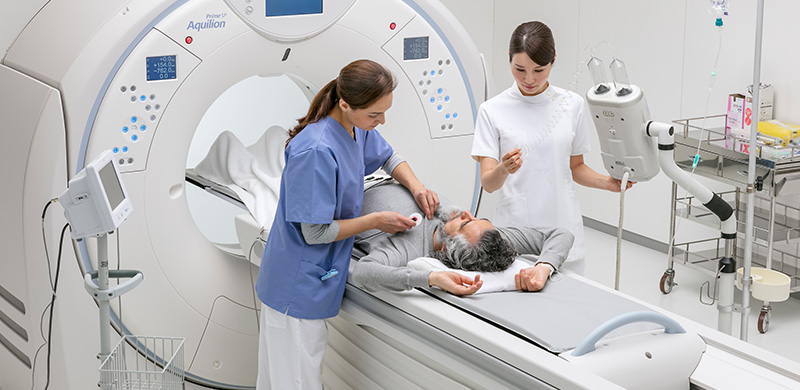
Join us as we utilize clinical scenarios to illustrate CT cardiac imaging workflows. This course aims to familiarize the technologist with best practice in cardiac acquisition modes and image reconstruction.
A Sonographer’s Guide to Ultrasound Guided MSK Procedures
ULM1555 | Credit Type: CME | Credits: 1 | Cost: $20.00
Outline:
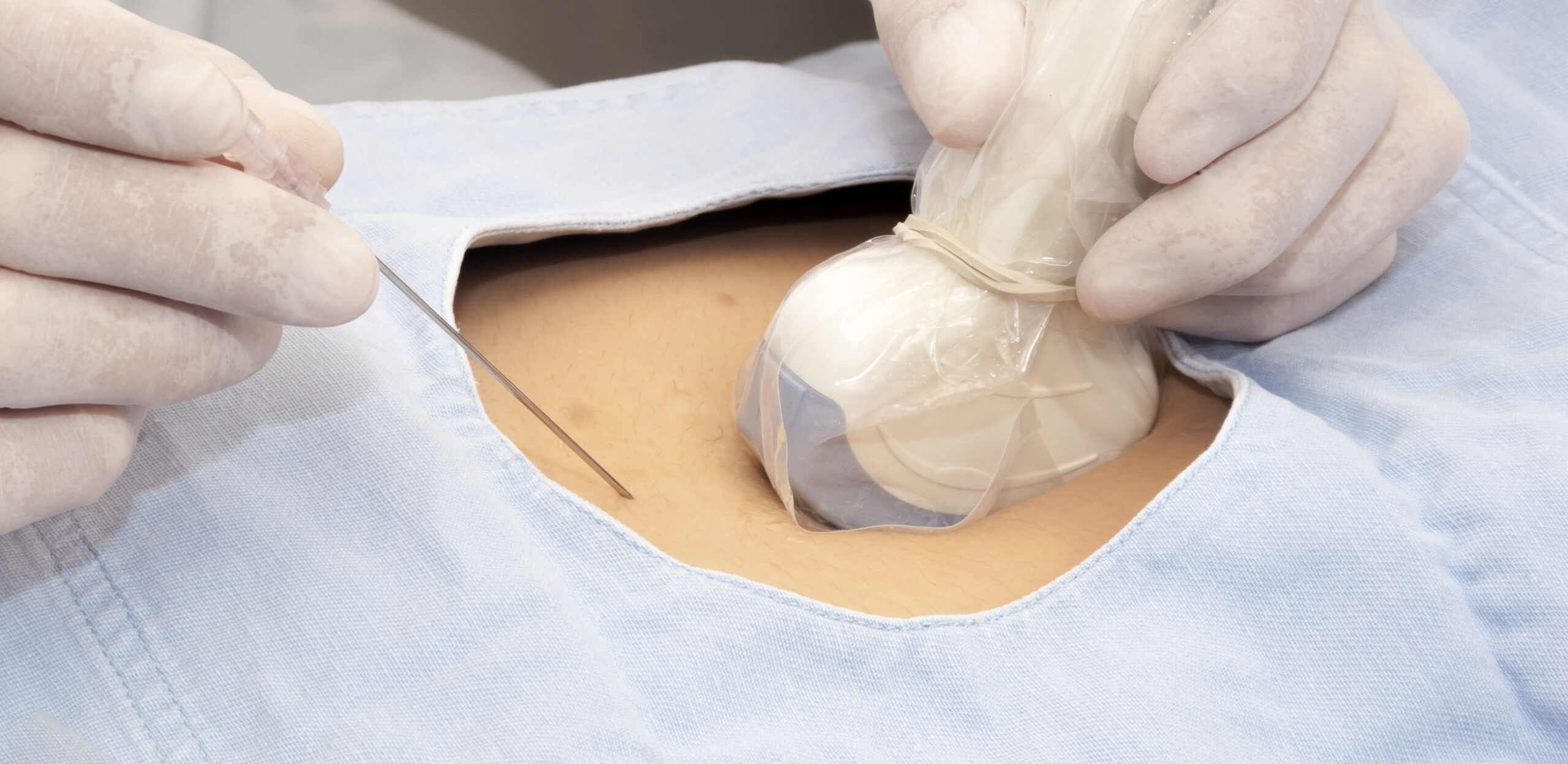
This in-depth program will provide an overview of the role the sonographer plays in the guided-injection process. It will include discussions of the common injections and injection sites, setting up the procedure room, equipment involved, drawing up medications, preparing the patient, and many more facets of the process.
Objectives:
- Describe the proper setup for the procedure room
- Understanding needle guidance from the sonographer’s point of view
- Discuss the sonographer’s role in guided-injection procedures
- Summarize the types of injections
- Explain documentation and storage
*Upon completion of this course the participant is eligible for 1 SDMS CME(continuing medical education) credit with up to 2 organizations: ARDMS, AART, CARDUP or CCI. SDMS CME credit is accepted by the American Registry of Diagnostic Medical Sonography (ARDMS), American Registry of Radiologic Technologists (ARRT), Canadian Association of Registered Diagnostic Ultrasound Professionals (CARDUP), and Cardiovascular Credentialing International (CCI) toward their continuing education requirements.Use the link in your enrollment confirmation email to access the course. A link will also become available below on this page at the designated start time.
Need assistance? Contact us at mylearningadmin@us.medical.canon
MR ACR Phantom Troubleshooting
MRM3500 | Credit Type: CE | Credits: 2 | Cost: $40.00
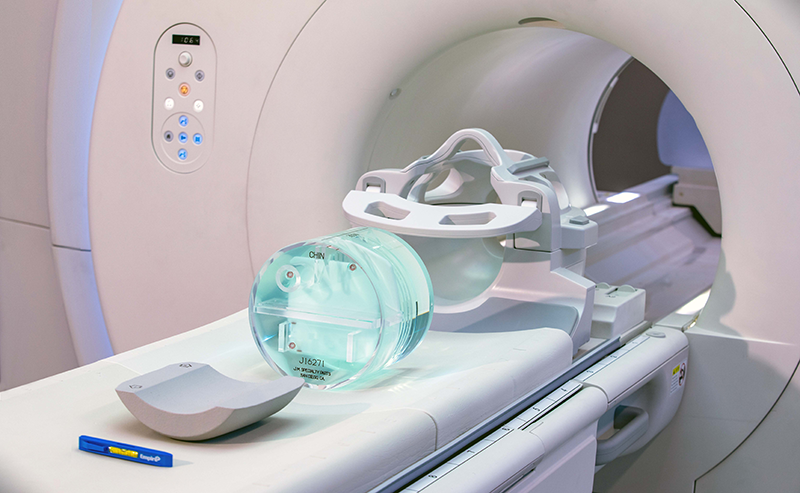
The American College of Radiology (ACR) Accreditation is recognized as the gold standard in medical imaging. By displaying the gold seals of ACR Accreditation, you demonstrate to your patients, payers and referring physicians that you are committed to providing the safest and best quality care possible. In preparing to image the ACR phantom, the ACR has given 8 tests to evaluate a system’s performance. This training covers some of the more common troubleshooting scenarios a site may encounter when submitting their data. The objective of this troubleshooting presentation is to discuss what is the purpose of the ACR. Talk about the phantom that will be used for acquiring the data. Review which coil is to be used when scanning the ACR Phantom. How to setup the phantom in the coil and cover what actions to take to ensure the coil and phantom are both set up properly. What to avoid. Lastly post scanning measurements and how to discern if the system will fail a section and pointers to determine if it’s a user, system, or an environmental problem.
Renal Non-Contrast MRA Time-SLIP
MRM3200 | Credit Type: CE | Credits: 1 | Cost: $20.00
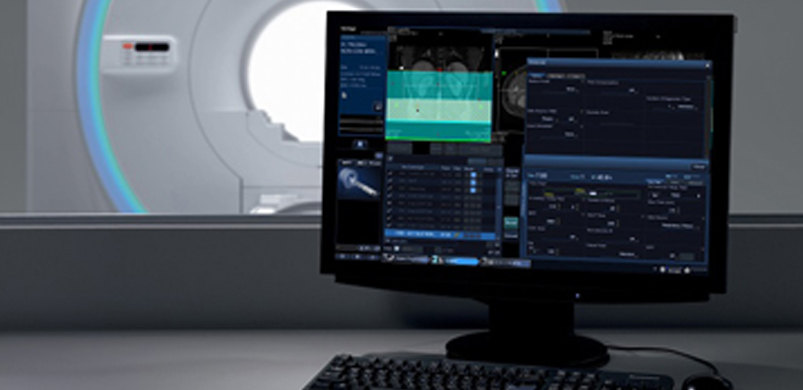
In this presentation we will be discussing Canon’s third generation non-contrast MRA technique of the renal arteries called Time-SLIP, or Time-Spatial Labeling Inversion Pulse. This technique is an arterial spin labeling variant (aka: ASL), combined with a respiratory-gated 3DSSFP technique, that uses the actual blood to be imaged as its own tracer, instead of injecting patients with a contrast agent. The blood vessels of interest, as in this presentation the renal arteries, are visualized in detail by the selective tagging of the blood and using a BBTI (Black Blood TI) value for the proper timing of the imaging volume.
Time-SLIPs versatility is manifested in its applicability to many regions of the body to evaluate both hemodynamic properties and visualization of vascular structures, especially in regions where vessels are oriented in multiple directions, such as the renal arteries.
The objectives of this presentation is to train the user on the principles of Time-SLIP, how to set up the patient and coils within the MRI magnet, description of the respiratory-gated sequence used for imaging the renal arteries, proper planning of the imaging volume and tag pulses, as well as a basic understanding of the BBTI values and how to troubleshoot and adjust according to the patient’s condition.
Browse Courses
Courses
Formats
News and Features
Education Resources
Our Mission
educationcenter@us.medical.canon / 1-866-858-8724
