




Canon Medical On Demand provides a premier microlearning experience to expand, reinforce, or supplement your training needs.
Join a live webinar or take a short course on trending topics in radiology.

Canon Medical On Demand provides a premier microlearning experience to expand, reinforce, or supplement your training needs.
Join a live webinar or take a short course on trending topics in radiology.
Canon Medical On Demand
Canon Medical On Demand helps you keep pace with the clinical, technical, and practice-related developments in medical imaging through live, accredited, complimentary educational webinars.
Participants can attend the live accredited webinar or take the associated accredited course.
Past Webinars
Artificial Intelligence in Magnetic Resonance Imaging—Beliefs, Benefits, and Beyond
Thank you for joining us for the Canon Medical On Demand webinar, "Artificial Intelligence in Magnetic Resonance Imaging—Beliefs, Benefits, and Beyond."
If you would like to submit a question to our presenter, Tim Joseph, please email us at mylearningadmin@us.medical.canon.
Courses
Filter by:

A Sonographer’s Guide to MSK Ultrasound of the Lower Extremities
ULM1585 | Credit Type: CME | Credits: 1 | Cost: $20.00
This course aims to equip seasoned and aspiring sonographers alike with the foundational skills required to venture into the realm of MSK ultrasound, with a concentrated spotlight on the most commonly evaluated anatomy of the anterior lower extremity.
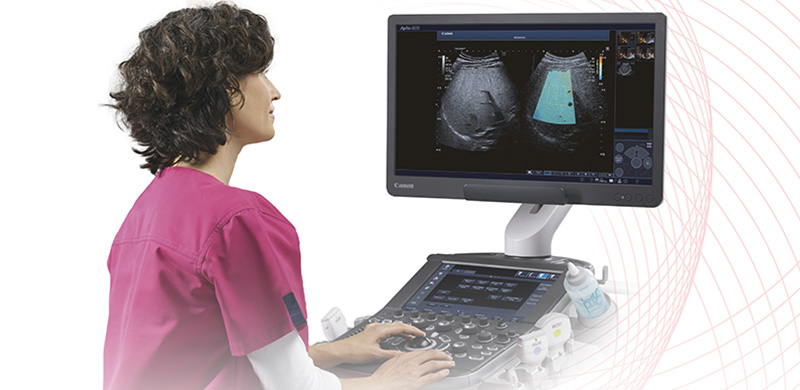
Decoding Liver Health with Multi-Parametric Ultrasound
ULM1580 | Credit Type: CME | Credits: 1 | Cost: $20.00
In this course, we will be discussing multi-parametric ultrasound techniques for quantitative assessment of chronic liver disease. An overview of chronic liver disease and ultrasound tools to aid in the assessment of liver fibrosis, steatosis, and inflammation will be provided. 1 CME credit
Advances in Quantitative Liver Ultrasound
ULM1575 | Credit Type: CME | Credits: 1 | Cost: $20.00
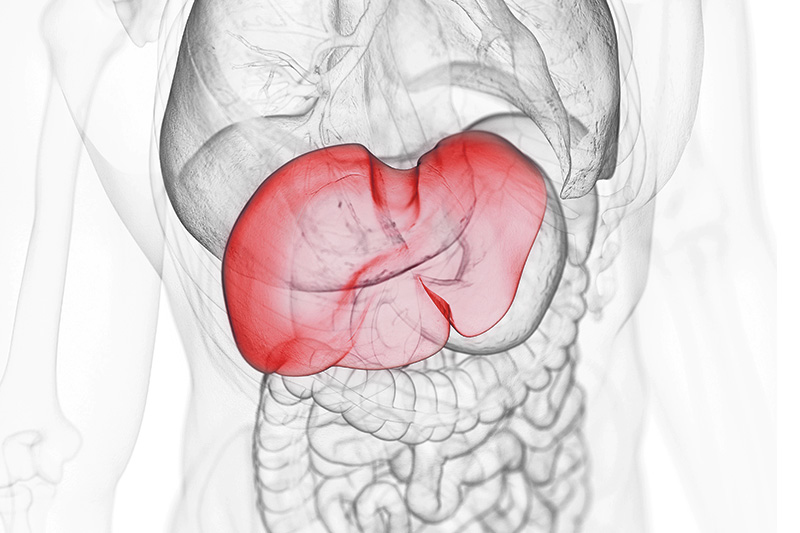
In this presentation, we will be discussing quantitative ultrasound techniques for assessment of chronic liver disease. An overview of chronic liver disease prevalence, steatotic liver disease nomenclature, shear wave elastography, and attenuation imaging will be provided.
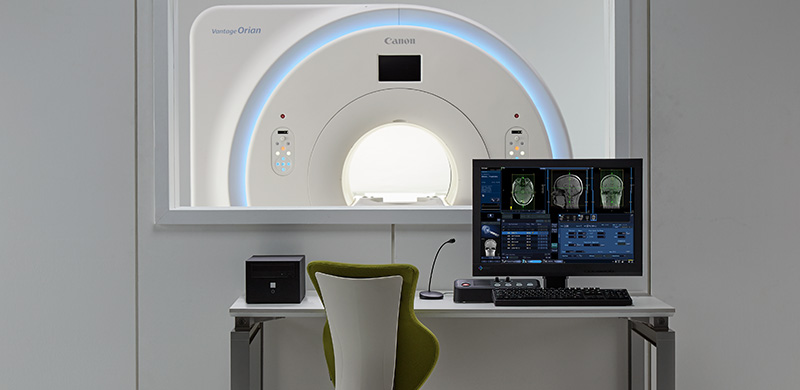
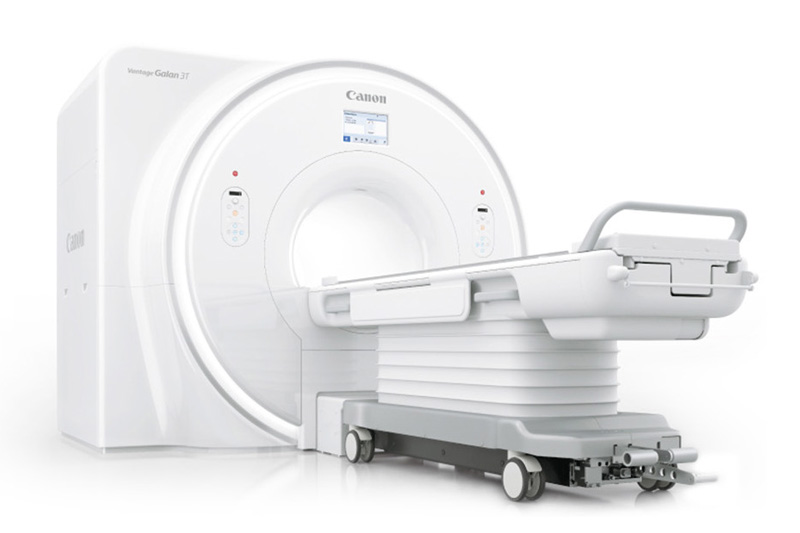
Introduction to Canon MRI Interface CBT
MRM3600 | Credit Type: CE | Credits: 3.25 | Cost: $65.00
This course discusses the awareness of Staffing shortages and new hire training becoming a challenge in recent years for the medical community. The objective of this presentation is to familiarize the MR user interface to a Technologist new to the Canon system in providing a session on how to scan a basic brain. It covers the start to finish process of scanning a patient and sending the data to a PACS system.
It includes covering the registration process [on how to pull studies from the RIS system, or how to manually enter the patient data].
Cover how to pull protocols developed for your site.Demonstrate how to set up the head coil onto the MRI system. Perform patient set-up into the head coil. Cover the Control Panel on how to move the patient in and out of the MR system. Discuss how to setup the slices in commonly used sequences in Scan Plan and how and when to start the scanner. Demonstrate how to Display the data. Show how to send the data to PACS. Cover the final step on how to end the exam.
After enrolling, please use the to find the Launch button. Click the Launch button to complete step 2 of your registration.
Need assistance? Contact us at mylearningadmin@us.medical.canon
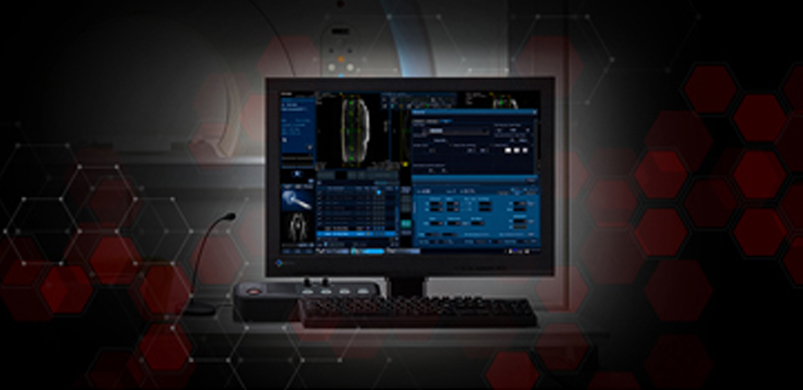
Peripheral Arteries Non-Contrast MRA FS-FBI CBT Course
MRM3300 | Credit Type: CE | Credits: 1.25 | Cost: $25.00
In this presentation we will be discussing Canon’s third generation non-contrast MRA technique of the peripheral arteries called FS-FBI, or Flow Spoiled Fresh Blood Imaging.Flow-Spoiled FBI (FS-FBI) is an advanced type of FBI that can depict arteries and veins separately, even for vessels with low blood flow velocity. This technique is a 3DFASE sequence utilizing ECG gating to acquire the patient’s peak systole and peak diastole points in their cardiac cycle and acquires them both in the same sequence. FS-FBI adds an optimal dephasing pulse to the gradient field in the readout direction of the base FBI sequence. This dephasing pulse suppresses the signals from low-velocity arterial blood flowing in the readout direction and thus enhances the difference in the signal levels of arterial blood imaged in the systolic and diastolic phases.FS-FBI can be applied to multiple regions of the body to evaluate arterial and venous flow. Specializing in large FOV coverage and slower flowing blood vessels as seen in the lower legs and the feet. It is best suited in blood vessels that mainly flow in parallel directions versus multiple directions.The objectives of this presentation is to train the user on the principles of FS-FBI, how to set up the patient and coils within the MRI magnet, narration of the cardiac lead set-up, ECG-gated sequence used for imaging peripheral arteries, proper planning of the imaging volume, demonstrate the ease of use for Delay Tracker, as well as a basic understanding of the Dephase pulse values and how to troubleshoot and adjust according to the patient’s condition.Use the link in your enrollment confirmation email to access the course. A link will also become available on this page at the designated start time. Enter your first and last name in order to receive credit for attending. Prepare for your classroom: If not already installed, you may download and install the Adobe Connect application from below for a better classroom experience: https://www.adobe.com/go/Connectsetup ---------- Get a quick overview: http://www.adobe.com/products/adobeconnect.html

Cybersecurity in Healthcare
MED1600 | Credit Type: CE | Credits: 1 | Cost: $20.00
The impact of cyber threats on healthcare organizations goes beyond compromising patient care. It can result in financial losses, reputational damage, erosion of patient trust, and potential legal consequences. Protecting data and internal networks is a must for healthcare organizations. This course will define and review prominent cyber threats that target healthcare organizations as well as explain how cybersecurity solutions and policies can protect these organizations.
Browse Courses
Courses
Formats
News and Features
Education Resources
Our Mission
educationcenter@us.medical.canon / 1-866-858-8724
